It's been four and a half years since I moved to Osaka — a city where I had no roots, no connections, nothing. But lately, I've started to feel like this place is genuinely mine.
Back when I lived in Tokyo, I volunteered to join the PTA when my oldest son entered elementary school. I can't point to a clear reason why. But somewhere underneath it, I think I had a simple desire to contribute, even a little, to the place where my family was building its life.
When I moved to Osaka, I was a complete outsider. No local ties whatsoever.
The first real connections I made in the neighborhood came through my kids, as they almost always do. Getting dinner with the parents of my oldest son's close friends. Bumping into other parents at the kindergarten my younger son attends. Bit by bit, as more faces became familiar and more conversations happened, I started to feel like I belonged somewhere.
Still, at that point, I mostly felt like a guest. I was on the receiving end — being welcomed, being helped. Not yet a part of things.
Finding a Role Through What You're Good At
The shift happened when both my sons joined a local youth baseball team and I got deeply involved.
In community psychology, researchers McMillan and Chavis argued that a genuine sense of belonging requires more than just showing up — people need to feel that they are actually influencing their community (Sense of Community: A Definition and Theory). This mutual influence, they said, and the act of taking on a real role, is what transforms an outsider into a stakeholder.
I had no idea about any of that theory at the time. I just thought: let me contribute through what I actually know.
I started out as one amateur coach helping at practices and games. But I brought in what I'd built through track and field and explosive-movement training back in college, adapted it for elementary schoolers, and developed a physical training program to build the kids' athletic abilities. This year, I also took over all the operational work that had become a messy tangle — defining and building the management systems the team needed, and making the whole thing run more efficiently.
(That system, by the way, eventually became a SaaS product called Dagout that other teams can use too.)
In other words, I went looking for a role that only I could play — by bringing what I had to offer into the community.
And once I started showing up that way, using what I was genuinely good at, I felt the relationships around me deepen surprisingly fast. New conversations kept starting. And slowly, I developed a real sense that I was actually contributing to this place.
We coaches went out for drinks. I organized a team retreat with everyone in tow.
During everyday practices, I'd chat with the moms about logistics — how to get ice for the heat, how to handle the lunch situation. I planned open-practice events to recruit new members, coordinated with the school, and got flyers distributed.
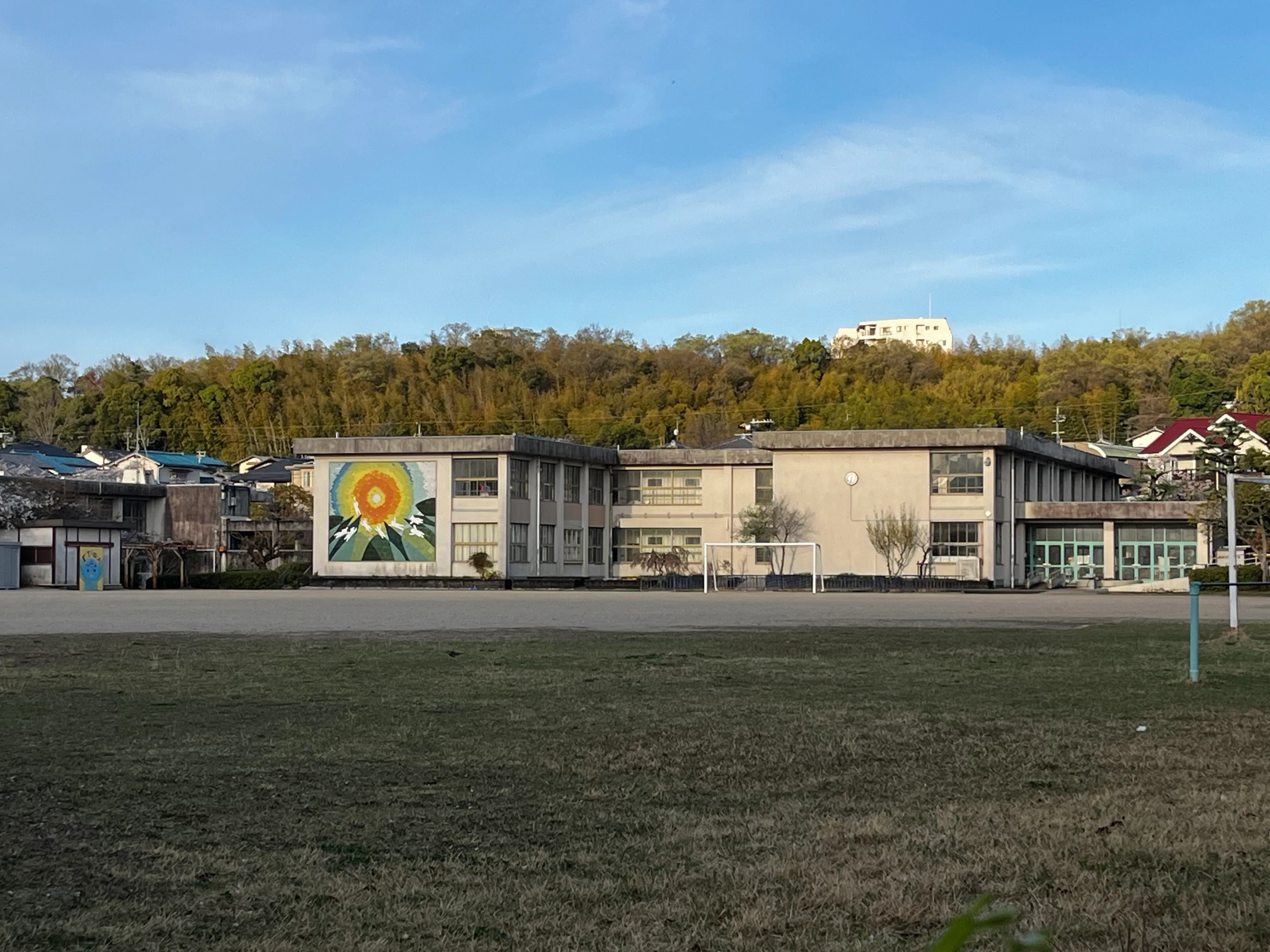
Writing it all out like this, it sounds almost like a job. Nobody asked me to do any of it. There's no pay. But that's exactly why it matters — because it was chosen. It was active. And it's through that kind of active commitment that I was able to genuinely become part of this place. Moving past being a guest, becoming someone who holds up the community from the inside — that shift means something real to me.
Between Ties and Isolation
I grew up in rural Aomori.
It was a place with very strong local ties — almost suffocatingly close-knit. Go to the local supermarket and my parents would inevitably run into someone they knew, exchanging a little small talk that always had this faint air of awkwardness to it. As a kid, I had a low-level aversion to that feeling — the forced intimacy that comes with living somewhere everybody knows everybody.
Then I moved to Tokyo for work, and found myself in the opposite extreme: a world so disconnected that people don't even try to form relationships with the person living next door. A world of total social isolation.
And that had its own kind of loneliness.
The area in northern Osaka where I live now feels like it sits right between those two — not as tight as the countryside, not as atomized as the city. It suits me.
I don't want to be bound by suffocating local ties. But a completely disconnected society feels empty. I'm trying, selfishly, to find something in between.
"I want to make the place I live a little better." "I want this neighborhood I've come to love to keep going."
Maybe those two desires are what keep driving me back into the community. One is personal — I want to belong here. The other is a little more outward-looking — I want to protect something I care about. Both feel like some of the most fundamental motivations a person can have.
Comments
Share your thoughts or questions. Comments are published after approval.
Write a comment